Analyzing the shift from centralized mobile computing to decentralized, ambient, and embodied AI hardware.
Current AI Hardware Landscape
A technical analysis of the transition from cloud-dependent tools to Edge-AI NPU processing.
Neural Processing Units (NPUs)
Modern gadgets are defined by local tensor acceleration. We are seeing a move toward 45+ TOPS (Trillions of Operations Per Second) on mobile-integrated chipsets, enabling local LLM execution without latency.
Active Deployment
Multimodal Sensor Fusion
Gadgets now integrate LiDAR, ToF (Time of Flight), and Ultrasonic sensors to create a 3D semantic map of the user's surroundings, allowing AI to "see" and "reason" about physical objects.
Advanced Robotics
Industrial & Personal Gadget Verticals
Hardware Category
Key AI Specification
Utility Depth
Wearable Hearables
Biometric Neural Filtering
Real-time cognitive load monitoring and voice cloning prevention.
Spatial Computing AR
Gaze-Tracked Rendering
Focus-aware information overlay for surgical and engineering accuracy.
Autonomous Home Hubs
Privacy-First Local SLAM
Home orchestration via 100% offline edge-inference models.
The Hardware Evolution Roadmap
2026
The GPT-Moment for Robotics
Standardized humanoid robot operating systems (hROS) allow hardware gadgets to manipulate the physical world with human-level dexterity.
2028
Brain-Computer Interface (BCI)
Consumer-grade non-invasive neuro-gadgets enable "thought-to-text" and direct cognitive integration with digital agents.
2030+
Self-Assembling Hardware
AI-designed modular gadgets that can reconfigure their physical structure based on the specific task requirements.
Latest AI Gadgets
LOOI Robot Personal Assistant
Humane’s Wearable AI Pin
Limitless Pendant
Evie Ring
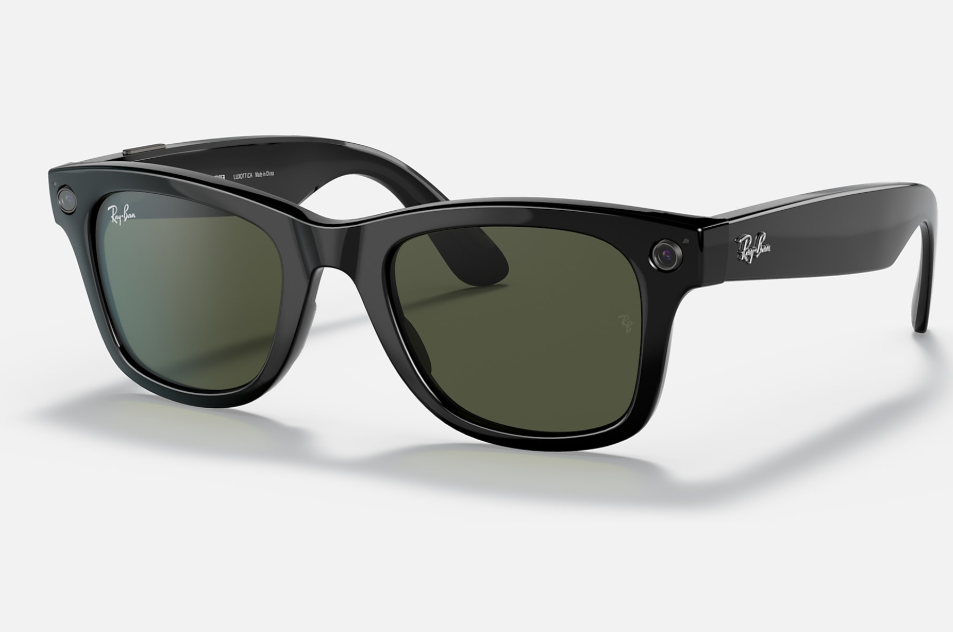
Ray-Ban Meta Smart Glasses
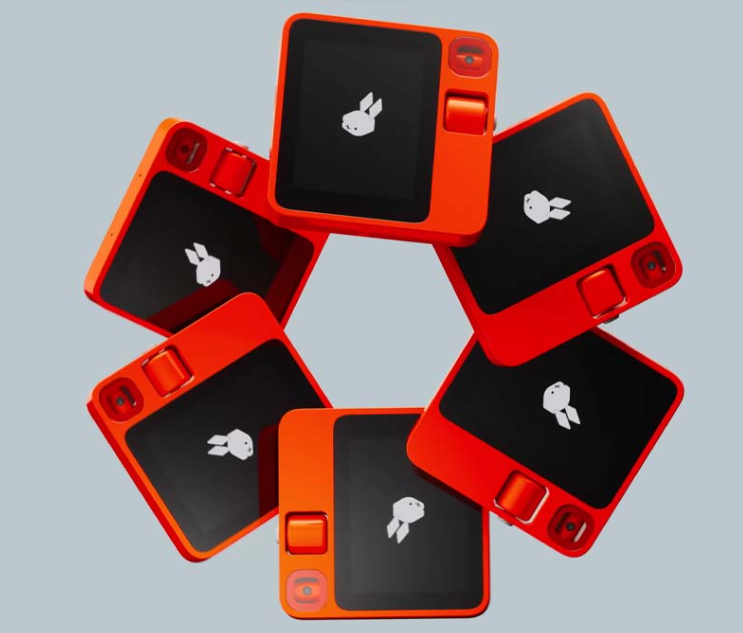
Rabbit R1
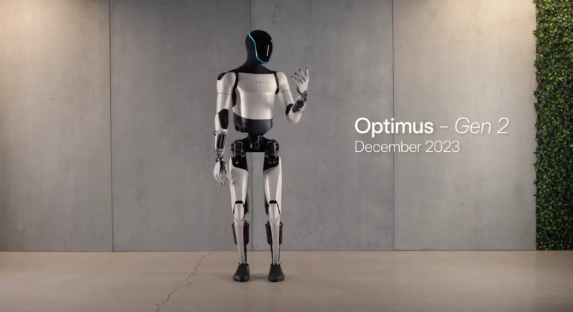
Tesla Optimus - A humanoid robot designed for household tasks and complex environments, emphasizing sustainability and energy efficiency.
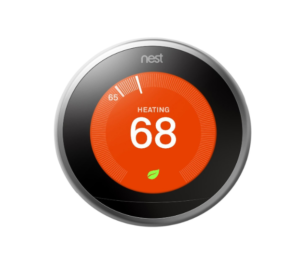
Google Nest AI - Adapts to user preferences for temperature control, energy saving, and integrates with voice assistants for hands-free control.
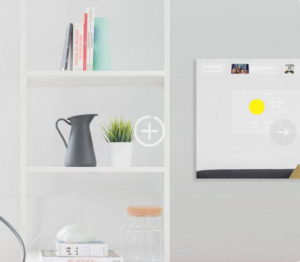
Duo Home AI Computer - Functions as a smart home hub, managing devices and offering personalized recommendations. It supports video calls, streaming, and privacy-focused design.
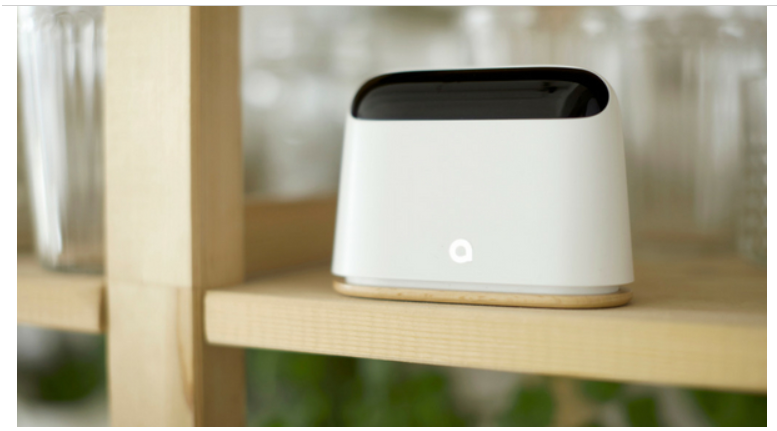
Ambi Climate AI Conditioner - Uses AI to adjust home temperature and humidity, optimizing comfort and reducing energy usage via a smartphone app.
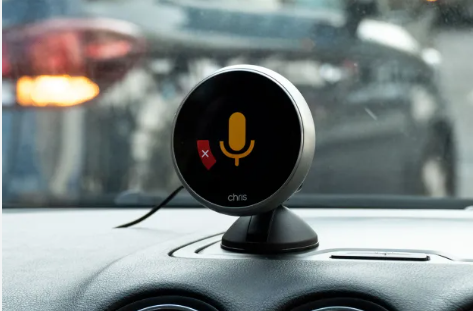
Chris Digital Driving Assistant - Enhances driving safety through real-time data analysis, offering alerts and hands-free control for music, navigation, and calls.
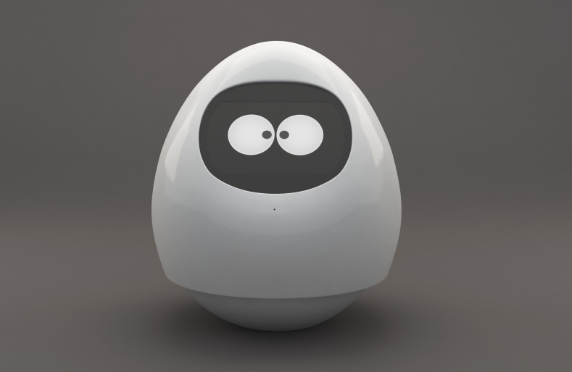
Tapia Robot Companion: An interactive AI assistant with facial recognition, ideal for daily tasks and companionship, especially for older adults.
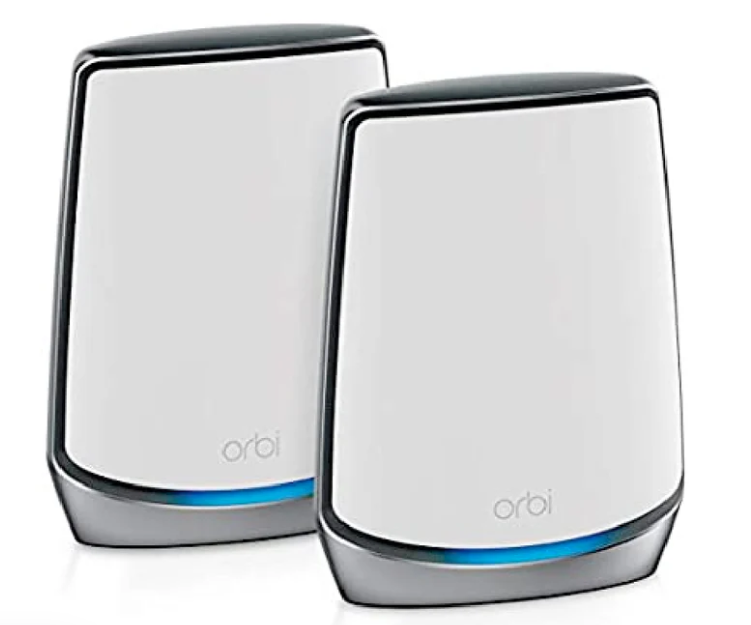
Orbi Mesh Wi-Fi System: Provides seamless Wi-Fi across the home with advanced security features and an easy setup via an app.
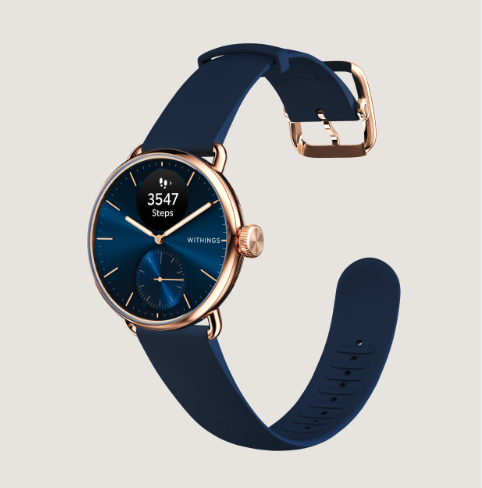
Withings ScanWatch: A health-focused smartwatch with ECG monitoring, long battery life, and activity tracking, merging style and functionality
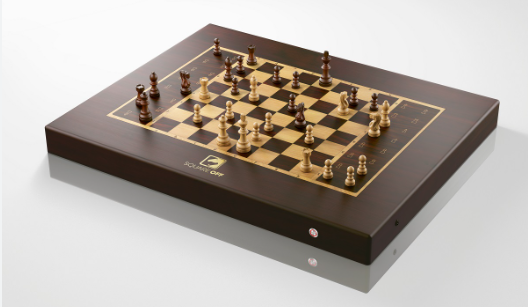
Square Off Chess Board: An AI-driven chessboard with automated movement, allowing players to compete at different skill levels and even analyze games via a connected app.
True AI Personal Trainer: Provides custom workout plans and real-time feedback, integrating with wearables for continuous health tracking.