Wear it.
Glasses, pins and rings sit closer to daily life. Their advantage is context—capturing a moment or a signal without interrupting it.

Precogniz selects the AI gadgets that bring useful intelligence into the real world—from camera-ready glasses to health rings and ambient assistants.
Explore the edit ↓Every card below is a direct route to the maker’s official product page. Availability, colour options and regional pricing can change—always check before buying.

Sport-forward AI glasses with capture, open-ear audio and Meta AI.
Official site
Iconic eyewear meets a camera, speakers and hands-free Meta AI.
Official site
A wearable voice recorder that turns conversations into useful notes.
Official site
An ambient audio companion built to make your day searchable.
Official site
Health sensing and personalized insights in a screen-free ring.
Official site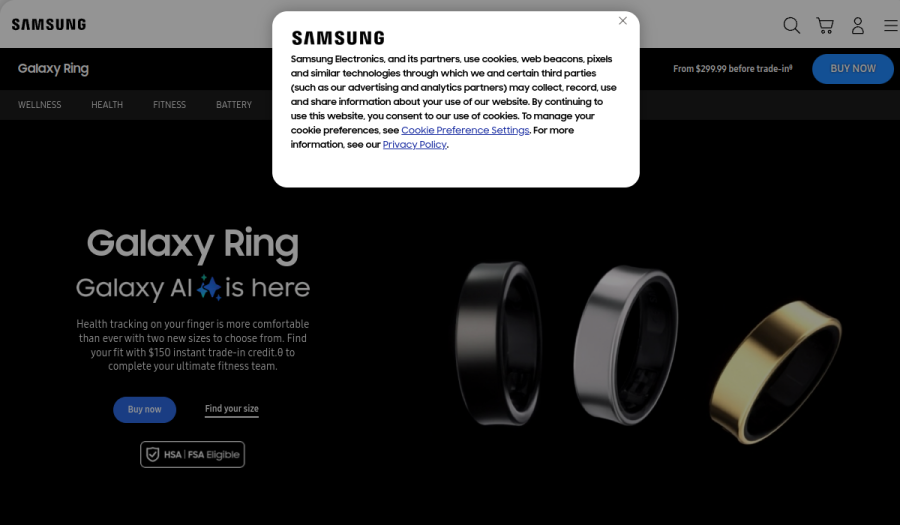
Samsung’s compact health tracker with AI-powered wellness insights.
Official site
Google’s earbuds with Gemini access and adaptive noise control.
Official site
Wearable display glasses for a private, cinema-scale workspace.
Official site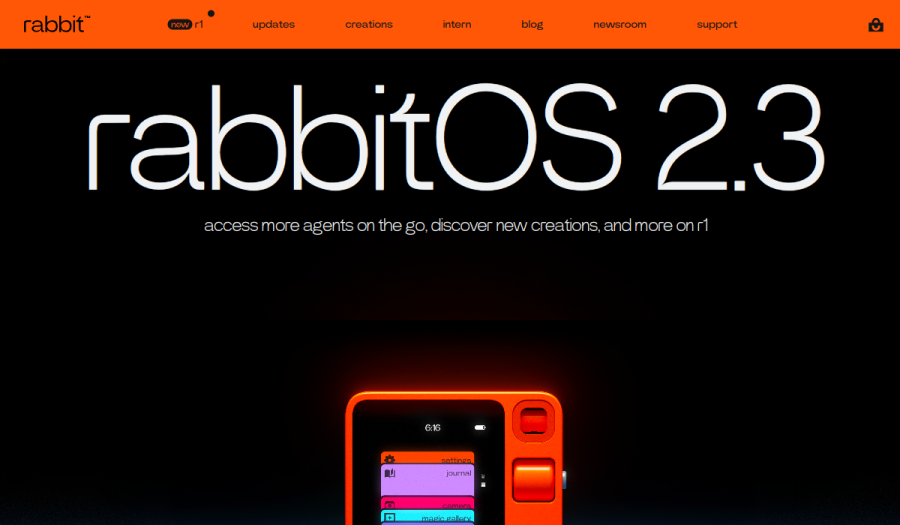
A pocket companion designed around a conversational interface.
Official site
Smart glasses pairing voice assistance with modular frames.
Official site
Developer-focused AI glasses made for experimenting in the real world.
Official site
Prescription-friendly smart glasses with a discreet in-lens display.
Official siteEditorial selection, not sponsored. Product names and trademarks belong to their respective owners. “Official site” links open in a new tab.
Save this page for your next upgrade. The product links above lead directly to official maker pages.
Browse all 12 devices ↑AI hardware is splitting into helpful categories: what you wear, what you hear, and what makes the world in front of you more useful.
Glasses, pins and rings sit closer to daily life. Their advantage is context—capturing a moment or a signal without interrupting it.
Earbuds and pendants turn voice into an interface. The best use is a quick assist, a reminder, or an idea captured before it disappears.
Spatial displays move information out of the phone and into your line of sight: a private screen, a prompt, a little less tab switching.
“Choose technology that gives you back attention—not technology that demands more of it.”
Precogniz editorial principle
Use it as your filter before every upgrade.
The most compelling AI gadgets are not trying to replace your day. They simply make a small moment faster, clearer or easier to remember.