

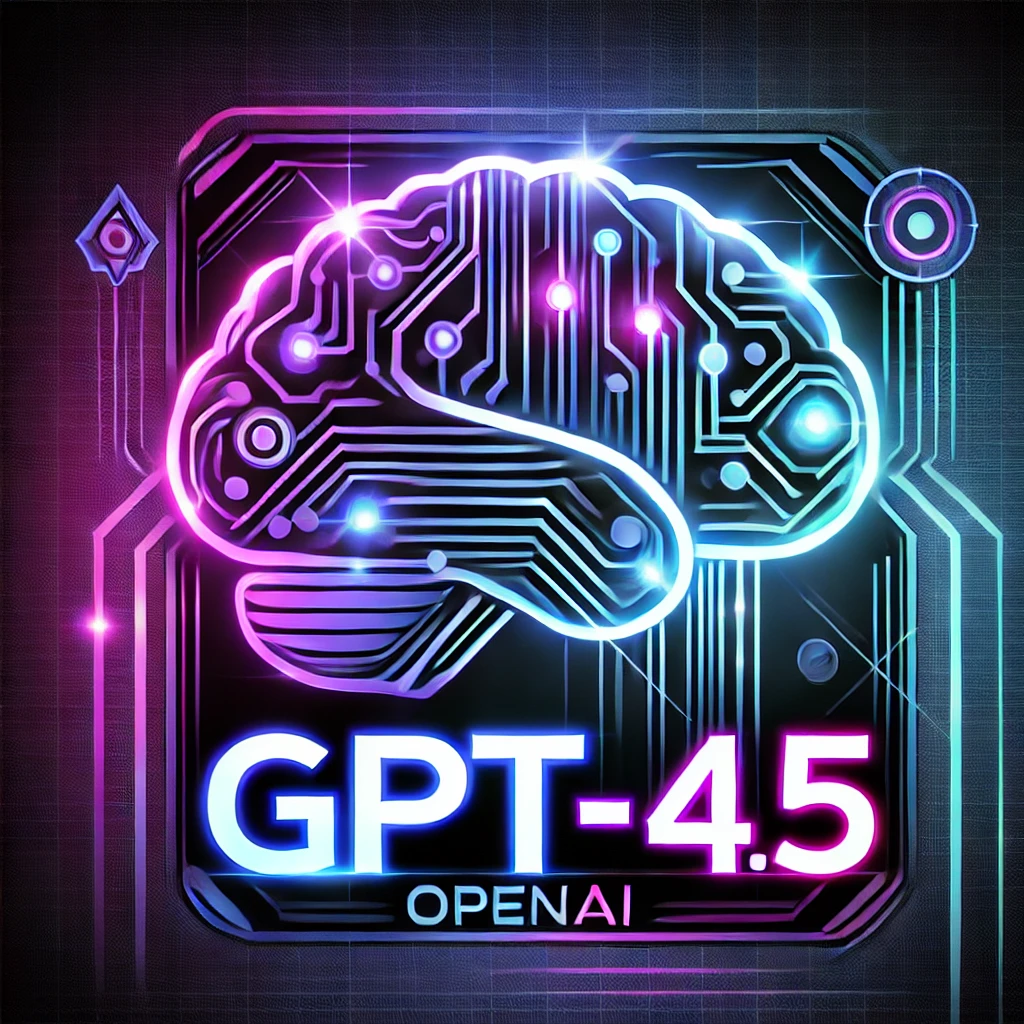
The AI landscape is buzzing with excitement as OpenAI has officially launched GPT-4.5, its most advanced language model to date. This release signifies a major step forward in artificial intelligence, with a focus on enhanced efficiency, reasoning, and multimodal capabilities.
Key Insights from GPT-4.5
Improved Contextual Understanding – GPT-4.5 exhibits a deeper comprehension of complex prompts, making it more adept at nuanced responses and maintaining context over longer conversations.
Multimodal Advancements – Like its predecessor, GPT-4.5 supports text, image, and audio processing, but with more refined integration, allowing for better real-world applications.
Higher Efficiency with Lower Compute Costs – OpenAI has worked on optimizing processing efficiency, ensuring that GPT-4.5 is not just powerful but also cost-effective for businesses and developers.
Enhanced Reasoning and Creativity – The model now features stronger logical reasoning capabilities, improving its ability to solve complex problems and generate innovative content.
Roadmap and Future Prospects
OpenAI has outlined an ambitious roadmap following the GPT-4.5 release. The focus areas include:
AI Personalization: Customizable AI experiences tailored to specific industries.
Integration with OpenAI Agents: Creating autonomous AI systems capable of performing tasks with minimal human intervention.
Ethical AI Development: Addressing biases, ensuring fairness, and increasing transparency in AI-generated content.
Learnings from This Release
The launch of GPT-4.5 reinforces a key industry trend: scalability vs. efficiency. While some AI companies are focusing on smaller, highly optimized models, OpenAI continues to scale up, pushing the boundaries of AI performance. This suggests that future breakthroughs may hinge on balancing computational power with accessibility.
As AI evolves, GPT-4.5 sets the stage for a new era of intelligent automation, reshaping industries and human-AI collaboration.
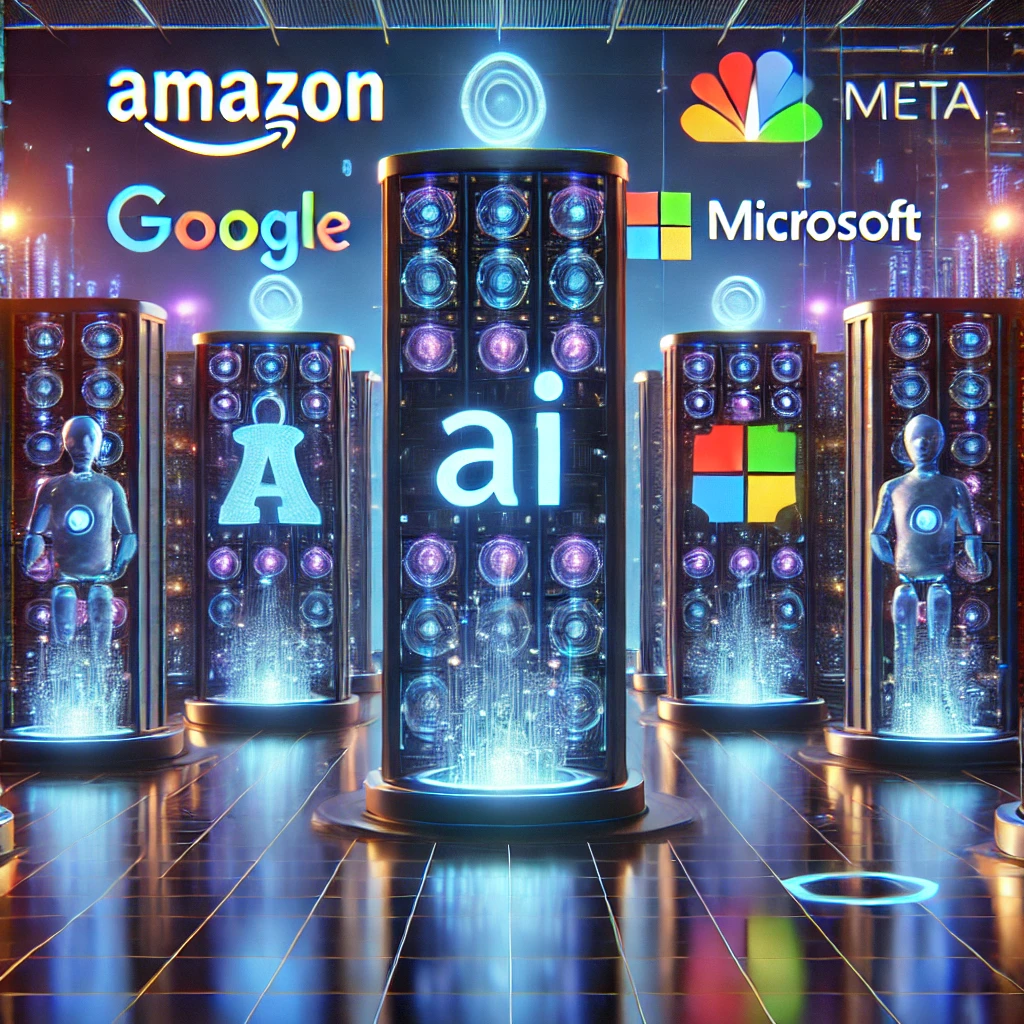
In 2025, leading American technology companies are significantly increasing their investments in artificial intelligence (AI) infrastructure, underscoring AI’s transformative potential across various industries. Collectively, Amazon, Alphabet (Google’s parent company), Microsoft, and Meta plan to allocate over $300 billion to AI development this year, a substantial rise from the $230 billion invested in 2024.
Amazon’s Commitment
Amazon is at the forefront of this investment surge, earmarking $100 billion for AI initiatives. CEO Andy Jassy emphasizes AI’s pivotal role in technological advancement and acknowledges the challenges in scaling infrastructure to meet growing AI demands. The company faces hurdles such as hardware acquisition and energy supply constraints, which have impacted its cloud computing division, Amazon Web Services (AWS).
Alphabet’s Strategic Investment
Alphabet plans to invest $75 billion in AI infrastructure in 2025. CEO Sundar Pichai anticipates that reducing AI usage costs will foster new applications, enhancing user experiences and operational efficiencies. This investment reflects Alphabet’s commitment to maintaining a leading position in AI innovation.
Microsoft’s Expansion
Microsoft is on track to invest approximately $80 billion in AI-enabled data centers during the 2025 fiscal year. These facilities are essential for training AI models and deploying AI and cloud-based applications globally. The investment underscores Microsoft’s dedication to advancing AI capabilities and supporting global digital transformation.
Meta’s AI Data Center Initiative
Meta has announced a $10 billion investment to establish its largest AI data center in northeast Louisiana. Scheduled to commence operations in February 2025, this facility will be powered by natural gas and is expected to enhance Meta’s AI research and development capabilities.
Key Takeaways
Total Investment: Over $300 billion allocated by major U.S. tech firms for AI infrastructure in 2025.
Amazon: Leading with a $100 billion investment, focusing on scaling AI capabilities despite infrastructure challenges.
Alphabet: Committing $75 billion to reduce AI costs and drive new applications.
Microsoft: Investing $80 billion in AI-enabled data centers to support global AI deployment.
Meta: Building a $10 billion AI data center in Louisiana to bolster AI research.
These substantial investments highlight the tech industry’s recognition of AI as a critical driver of future innovation and economic growth. As these companies expand their AI capabilities, they aim to develop more advanced, efficient, and accessible AI applications that can revolutionize various sectors.
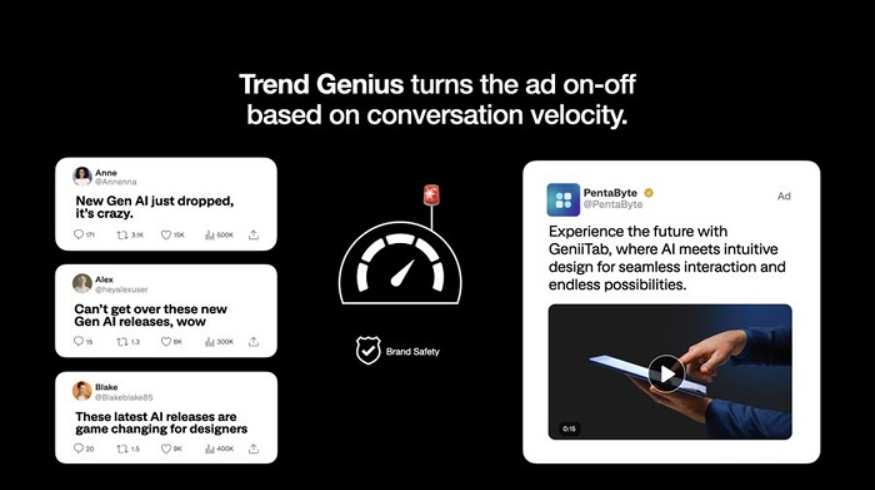
At CES 2025, X (formerly Twitter) introduced “Trend Genius,” an AI-driven tool designed to enhance advertising campaigns by leveraging trending topics. This innovative platform enables advertisers to align their content with real-time conversations, ensuring messages resonate with the audience’s immediate interests.
Trend Genius offers several key features:
Real-Time Trend Analysis: The tool scans global and regional conversations to identify emerging trends, allowing advertisers to stay ahead of the curve.
Ad Campaign Optimization: It suggests creative strategies and keywords tailored to specific audiences, enhancing the relevance and impact of advertisements.
Performance Metrics: Trend Genius provides insights into how ads perform against trending topics, enabling advertisers to refine their strategies for maximum effectiveness.
Linda Yaccarino, CEO of X, described Trend Genius as a “holy grail” for marketers, emphasizing its potential to bridge the gap between content creation and audience engagement. This tool is part of X’s broader efforts to integrate AI for improved user engagement and advertiser success.
By utilizing Trend Genius, advertisers can craft more engaging and relevant ad campaigns, capitalizing on the platform’s dynamic environment to ensure their content remains timely and impactful.
OpenAI’s o1 Model:
- Designed to emulate human-like problem-solving and represents a step closer to Artificial General Intelligence (AGI).
Evaluation on NYT’s Connections Game:
- Connections challenges players to categorize 16 words into four groups based on shared themes.
- o1 performed well in some areas but made confusing groupings, highlighting its limitations in contextual understanding.
Examples of AI’s Errors:
- Grouped “boot,” “umbrella,” “blanket,” and “pant” as clothing or accessories (blanket doesn’t fit).
- Categorized “breeze,” “puff,” “broad,” and “picnic” under types of movement or air (illogical grouping).
Core Limitation:
- While capable of processing large datasets and computations, the model struggles with nuance, ambiguity, and common sense—areas where humans excel.
Implications for AI Development:
- Highlights the gap between current AI capabilities and true human-like reasoning.
- Serves as a guide for future AI research to focus on contextual and cognitive complexities.
Summary:
OpenAI’s o1 model, a step closer to achieving Artificial General Intelligence, showcases advanced reasoning but struggles with tasks requiring nuanced understanding and context, as evidenced in its performance on the NYT’s Connections game. While capable of handling structured data, it falters in common-sense reasoning, miscategorizing items due to limited contextual grasp. This underscores the need for further research to bridge the gap between human cognition and AI capabilities.

Texas Regulates AI: New Laws & Their Impact
The Lone Star State is making its mark in the rapidly evolving world of artificial intelligence (AI). Texas, known for its robust business environment, has recently enacted legislation aimed at regulating AI, a move signaling a proactive approach to managing the potential risks and harnessing the benefits of this transformative technology. This post delves into the specifics of these new laws, exploring their potential impact on businesses, individuals, and the future of AI development within Texas.
Understanding the Driving Force Behind Texas’ AI Legislation
The impetus behind Texas’ push for AI regulation stems from a confluence of factors. Firstly, the increasing prevalence of AI in various sectors, from healthcare and finance to transportation and manufacturing, necessitates a framework to ensure ethical and responsible use. Concerns surrounding algorithmic bias, data privacy, and the potential displacement of workers due to automation have fueled the need for legislative intervention. Secondly, Texas aims to foster innovation while mitigating potential risks. By establishing clear guidelines, the state hopes to attract AI-related businesses while simultaneously protecting its citizens.
The legislation isn’t about stifling innovation; rather, it’s about responsible innovation. The overarching goal is to create a regulatory environment that encourages the development and deployment of AI while simultaneously addressing potential societal challenges. This balance is crucial for Texas to remain competitive in the global AI landscape.
Key Aspects of the New Texas AI Laws
While the specifics of the legislation are complex and require careful analysis, some key aspects are readily apparent:
Data Privacy and Security
Data privacy is a major focus. The new laws likely incorporate provisions designed to protect sensitive personal information used in AI systems. This could include stricter requirements for data collection, storage, and usage, potentially mirroring or exceeding existing federal regulations like GDPR (in the case of European data). Expect to see increased transparency requirements, allowing individuals more control over how their data is utilized by AI algorithms. Enhanced security measures for AI systems are also likely, aiming to prevent unauthorized access, breaches, and misuse of sensitive data.
Algorithmic Transparency and Accountability
The laws likely emphasize algorithmic transparency, demanding greater understanding of how AI systems make decisions. This involves disclosing the data used to train AI models, the algorithms themselves (to a reasonable extent), and the potential biases embedded within. Accountability is another critical component. Mechanisms for redress in cases of AI-related harm, whether due to bias, malfunction, or other causes, are likely included. This could involve establishing clear lines of responsibility and potentially creating avenues for legal recourse for individuals affected by faulty AI systems.
Bias Mitigation and Fairness
Addressing algorithmic bias is a significant challenge. The new legislation likely mandates efforts to identify and mitigate bias in AI systems. This might involve conducting audits, implementing fairness metrics, and requiring ongoing monitoring for bias. The goal is to ensure that AI systems are used fairly and equitably across different demographics and social groups. Failure to demonstrate good faith efforts in bias mitigation could lead to penalties.
Employment and Workforce Impacts
The rapid advancement of AI raises concerns about job displacement. While the legislation may not directly address this, it could include provisions to support workers affected by automation. This might involve funding for retraining programs, initiatives to help workers transition to new roles, or other measures designed to mitigate the negative socio-economic consequences of AI-driven job losses.
Impact on Businesses Operating in Texas
The new AI regulations will have a profound impact on businesses operating in Texas. Companies that utilize AI in their operations will need to adapt to comply with the new legal framework. This will involve:
- Conducting thorough audits of their AI systems to assess compliance with data privacy, algorithmic transparency, and bias mitigation requirements.
- Implementing robust data security measures to protect sensitive information.
- Developing transparent documentation of their AI algorithms and data usage practices.
- Investing in resources and expertise to address potential algorithmic bias and ensure fairness in their AI systems.
- Creating mechanisms for addressing complaints and resolving disputes related to the use of their AI systems.
Failure to comply could result in significant penalties, potentially including fines, legal action, and reputational damage. However, proactive compliance can also present opportunities for businesses, such as enhanced trust with customers and improved brand image.
Looking Ahead: The Future of AI in Texas
Texas’ proactive approach to AI regulation positions the state as a leader in responsible AI development. While the initial implementation may present challenges for businesses, the long-term benefits are likely to outweigh the costs. By establishing a clear regulatory framework, Texas can attract AI-related businesses, foster innovation, and protect its citizens. The new laws are not intended to hinder technological advancement but to guide it toward a path that is ethical, beneficial, and sustainable. The success of this regulatory approach will depend on the clarity of the laws, the effectiveness of enforcement, and the willingness of businesses to embrace responsible AI practices. The coming years will reveal the full impact of these regulations and how they shape the future of AI in Texas and beyond.
As artificial intelligence continues its meteoric rise, governments around the world are grappling with how to regulate this transformative technology. Concerns over data privacy, bias, safety, and intellectual property dominate the conversation, driving policymakers to establish frameworks that balance innovation with ethical governance.
To explore this evolving landscape, AI News spoke with Nerijus Šveistys, Senior Legal Counsel at Oxylabs, who shared insights into the current state of AI regulation and its implications for industries, businesses, and innovation.
The Push for AI Regulation
“The boom of the last few years appears to have sparked a push to establish regulatory frameworks for AI governance,” explained Šveistys.
He highlighted that the rapid development of AI has raised critical issues spanning data privacy, intellectual property, discrimination, and safety—concerns that require urgent legal and ethical considerations.
Diverging Regional Strategies
AI regulation is far from uniform across the globe. Regions have adopted distinct approaches to address the challenges posed by AI.
The European Union
The EU has taken a centralized and stringent stance with its landmark AI Act, which came into force this year and is set to be fully effective by 2026.
“The EU has acted relatively swiftly compared to other jurisdictions,” noted Šveistys. “The main difference we can see is the comparative quickness with which the EU has released a uniform regulation to govern the use of all types of AI.”
China
China has opted for a phased and technology-specific approach. Šveistys highlighted key milestones in its regulatory journey:
- 2021: Regulations targeting recommendation algorithms used in digital advertising.
- 2022: Rules addressing deep synthesis models (e.g., deepfakes).
- 2023: Introduction of regulations for generative AI models.
Balancing Innovation and Safety
The regulatory divergence has implications for innovation and competitiveness. The EU’s framework, while ensuring consumer protection and ethical standards, imposes compliance costs that could stifle growth in AI-driven sectors.
“More rigid frameworks bring benefits like protecting consumers and adhering to ethical norms,” said Šveistys. “But they may also hinder competitiveness and innovation.”
Industries like targeted advertising and web scraping are particularly vulnerable to the trade-offs between regulation and innovation.
The Ripple Effect on Industries
AI’s impact extends far beyond direct applications. For example, web scraping—a vital tool for collecting publicly available data—is evolving with AI.
“AI can massively improve the efficiency, accuracy, and adaptability of web scraping operations,” said Šveistys. However, tighter regulations around AI and data privacy mean web scraping companies face greater scrutiny.
Intellectual Property and Legal Precedents
Copyright infringement has become a flashpoint in the AI regulatory debate. High-profile lawsuits against companies like OpenAI and Microsoft allege the use of copyrighted materials for training AI systems without permission.
“These cases are pivotal in determining the legal boundaries of using copyrighted material for AI development,” remarked Šveistys.
The outcomes of these lawsuits will set precedents that could reshape the AI landscape. Šveistys advised businesses to proactively assess their use of data with legal guidance, given the rapidly evolving nature of AI laws.
The Road Ahead
The global regulatory push signifies a watershed moment for technological governance. Whether through the EU’s comprehensive framework, China’s incremental strategy, or the US’s decentralized approach, businesses must navigate a dynamic and complex legal environment.
As the UK explores proposals allowing the use of copyrighted material for AI training unless explicitly opted out, the need for continuous adaptation becomes clear.
Ultimately, the challenge lies in striking the right balance: fostering innovation while mitigating risks. With thoughtful governance, AI can remain a transformative force for good, unlocking new possibilities while addressing its potential harms.
In the ever-evolving world of artificial intelligence, Beatoven.ai is making waves as a trailblazer in music composition. The Indian startup is transforming how individuals and businesses create royalty-free, personalized music by using cutting-edge AI technology. With its unique approach to sound generation, the platform is gaining popularity among content creators, filmmakers, and marketers seeking original background scores for their projects.
Founded on the premise of simplifying music production, Beatoven.ai operates as a subscription-based platform. Users can choose the genre, mood, and duration of their desired track, and the AI does the rest—composing a piece that fits perfectly with their requirements. The process is as seamless as it is innovative, removing the complexities traditionally associated with music creation.
One of Beatoven.ai’s standout features is its commitment to legality and licensing. By ensuring that all tracks are royalty-free and properly licensed, the platform provides peace of mind to users who want high-quality music without worrying about copyright infringements. This is particularly valuable in the digital age, where copyright disputes can have significant consequences.
What sets Beatoven.ai apart is its ability to cater to a wide range of creative needs. Whether you’re an independent YouTuber looking for a catchy tune or a professional filmmaker in need of an emotionally resonant score, the platform offers a tailored solution. The AI even allows for granular adjustments, enabling users to fine-tune the composition to suit specific visual or narrative elements.
As artificial intelligence continues to redefine industries, platforms like Beatoven.ai exemplify how technology can democratize creative processes. By making high-quality music accessible to everyone, the startup is not just reshaping the music industry but also empowering creators to bring their visions to life effortlessly.
In a world increasingly driven by content, Beatoven.ai stands out as a harmonious blend of innovation and utility. For anyone seeking to enhance their creative projects with music, this AI-driven tool is undoubtedly hitting all the right notes.

Claude 3.5, the advanced AI model developed by Anthropic, has recently introduced a powerful enhancement with the launch of a new PDF tool. This innovative feature enables Claude to analyze files containing both images and tables, expanding its capabilities significantly beyond basic text analysis. With this addition, Claude can process complex documents with visual data, making it an excellent tool for users who need detailed insights from PDFs containing charts, graphs, images, or structured data in tables.
The PDF tool is now accessible through Claude Chat and the Claude API, making it available to developers and users across different platforms. This marks an essential upgrade for industries and professionals who rely on precise data extraction from multi-format documents. Whether for research, business analytics, or report generation, the tool offers a new level of convenience and accuracy by handling visual data seamlessly. Now, users can leverage Claude 3.5 to perform in-depth analysis on documents that previously required manual extraction of images and tables, saving time and reducing error rates in data processing.
This enhancement aligns with the broader trend of AI models becoming more versatile, not only interpreting text but also handling multimedia content. The development reflects a step towards making AI tools more holistic, catering to users’ diverse needs with enhanced interpretative capabilities.

Key Insights and Learnings
AI-Powered Meal Planning: Samsung Food leverages AI to streamline meal planning by recognizing food items through a smartphone camera and suggesting recipes based on what you have in your fridge or pantry.
Comprehensive Food Management: The app acts as an all-in-one tool for food management, integrating shopping lists, meal planning, and cooking guides. It automatically tracks and updates your food inventory as you cook or shop.
Vision AI Feature: A standout feature, Vision AI, allows users to add items to their Food List by simply taking a photo of the food in their fridge or pantry, making inventory management easier.
Cross-Platform Integration: Samsung Food works across iOS, Android, and web platforms, and integrates with Samsung appliances like the Family Hub smart fridge and connected ovens, enhancing the user experience.
Paid vs. Free Versions: The app offers a free version with limited features, while the paid Samsung Food Plus ($6.99/month) provides additional functionalities like ad-free usage, personalized meal plans, and nutrition tracking.
Automation and Convenience: The app automates various food management tasks, such as removing used items from your list and adding purchased items, simplifying meal planning and reducing food waste.
Potential Cost Savings: While the subscription fee may seem high, the app’s features could lead to savings on grocery bills by minimizing food waste and optimizing meal planning.
User Experience Improvements: Recent updates have addressed previous user complaints by integrating meal plans with the food list and allowing recipe suggestions based on available ingredients, making the app more user-friendly and efficient.